
Moving Up In Jenison: Turning Equity Into Your Next Home
If your current home no longer fits your life, you are not alone. Many Jenison homeowners are sitting on meaningful equity, but turning that value into your next home takes more than just watching sale prices climb. You need a plan for timing, net proceeds, taxes, and the next purchase so you can move with confidence instead of stress. Let’s dive in.
Jenison is a largely owner-occupied community, which helps explain why so many local moves start with a current home sale. Census data shows an owner-occupied housing unit rate of 87.9%, with a median owner-occupied housing value of $281,600 in recent ACS data. For many homeowners, that creates a real opportunity to use built-up equity toward a better fit.
The local resale market has also been moving quickly. Recent market data shows a median sale price around $370,029, a median of 5 days on market, and a sale-to-list ratio of 103.0%. Zillow also reports an average home value of $369,805, up 3.5% year over year, with homes going pending in about 6 days.
That speed can be exciting, but it can also raise the stakes. When homes move this fast, your sale prep, pricing, financing, and purchase timeline all need to work together.
Equity is the difference between what your home is worth and what you still owe on your mortgage. That number matters because it often becomes the fuel for your next move, especially if you plan to use sale proceeds for a down payment and closing costs.
But equity is not the same as cash in your bank account. What you actually bring to the next purchase depends on your net proceeds after mortgage payoff and selling costs. That is why move-up planning should start with realistic numbers, not just a rough estimate based on your neighbor’s sale.
A clear equity plan usually needs to answer a few practical questions:
When you know those answers early, your next decision becomes much easier.
Your sale price is only the starting point. A move-up purchase works best when you focus on the amount left after the dust settles.
In Michigan, one cost many sellers forget is transfer tax. Ottawa County states that the current transfer tax is $8.60 per $1,000 of consideration, made up of $7.50 in state transfer tax and $1.10 in county transfer tax, and it is generally imposed on the seller or grantor.
That does not mean your move is out of reach. It simply means you should build your plan around net proceeds instead of headline price, especially if you are trying to line up one closing with the next purchase.
One of the biggest questions move-up buyers ask is simple: Should you buy first or sell first? In a fast market like Jenison, the answer depends on your finances, your risk tolerance, and how much flexibility you have with timing.
Mortgage closing and home purchase closing typically happen at the same time, which makes a coordinated sell-and-buy timeline possible when your agent, lender, and title team are aligned. The key is building a realistic sequence from the start rather than trying to figure it out after your home hits the market.
A strong move-up plan often looks like this:
This kind of planning matters even more in Jenison because homes can go pending in less than a week. If your current home sells quickly, you want the next steps to feel organized rather than rushed.
In a market where the first week matters, presentation is not a side detail. It is part of your strategy.
Buyer inspections can affect your deal in a big way. If a purchase contract is contingent on a satisfactory inspection, a buyer may cancel without penalty if the results are unsatisfactory, and buyers may also negotiate repairs or credits when issues come up.
That is why pre-listing prep can do more than make your home look nice online. It can help reduce objections, support stronger offers, and lower the chances of stressful renegotiation later.
Before listing, focus on the basics that help buyers feel confident:
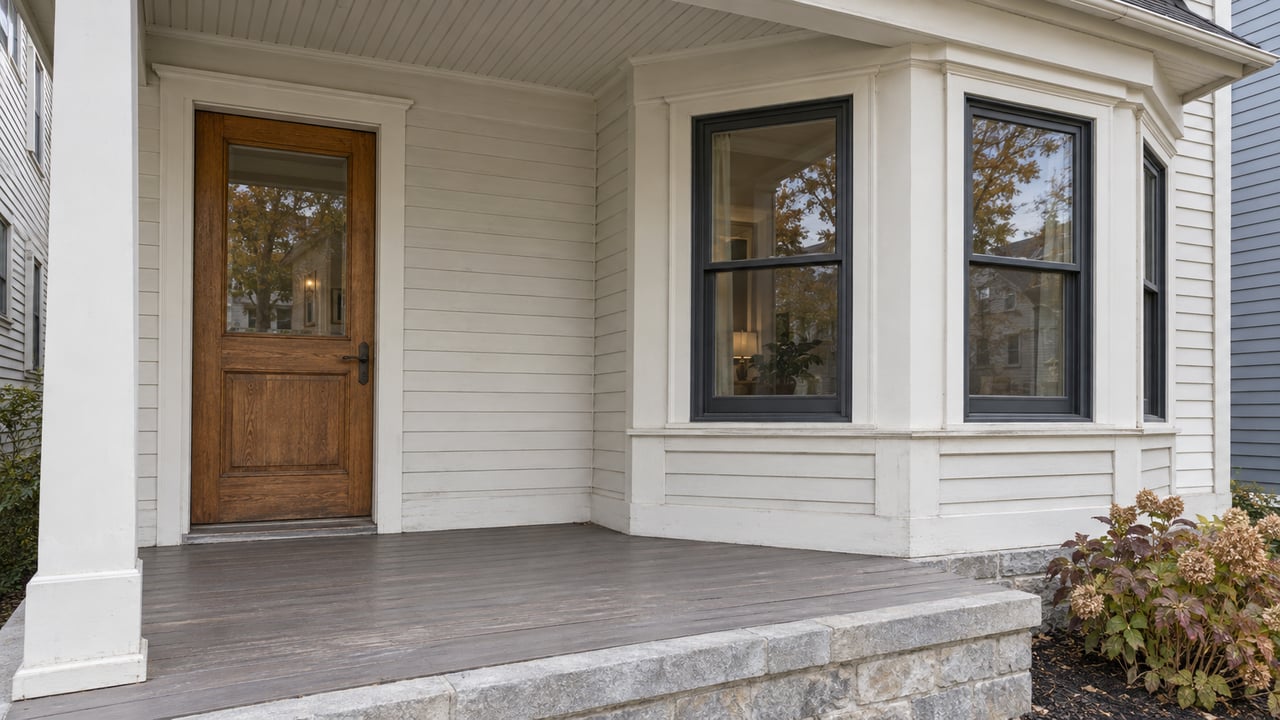
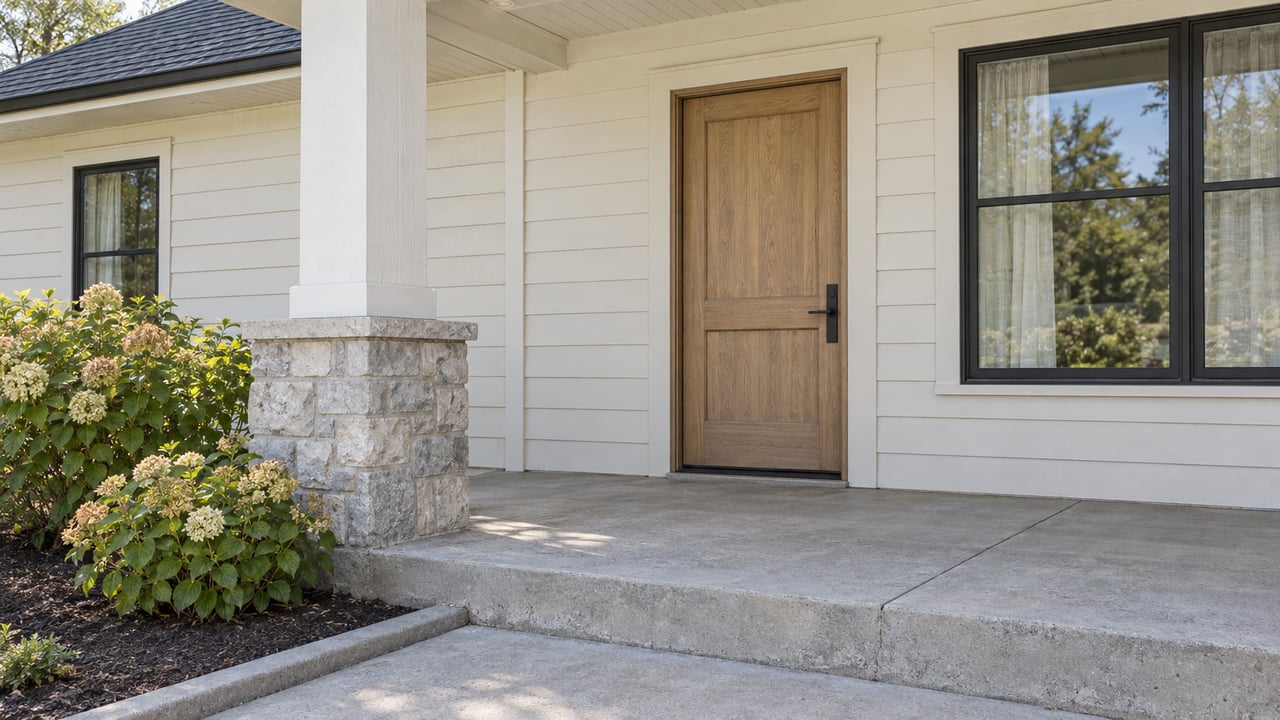
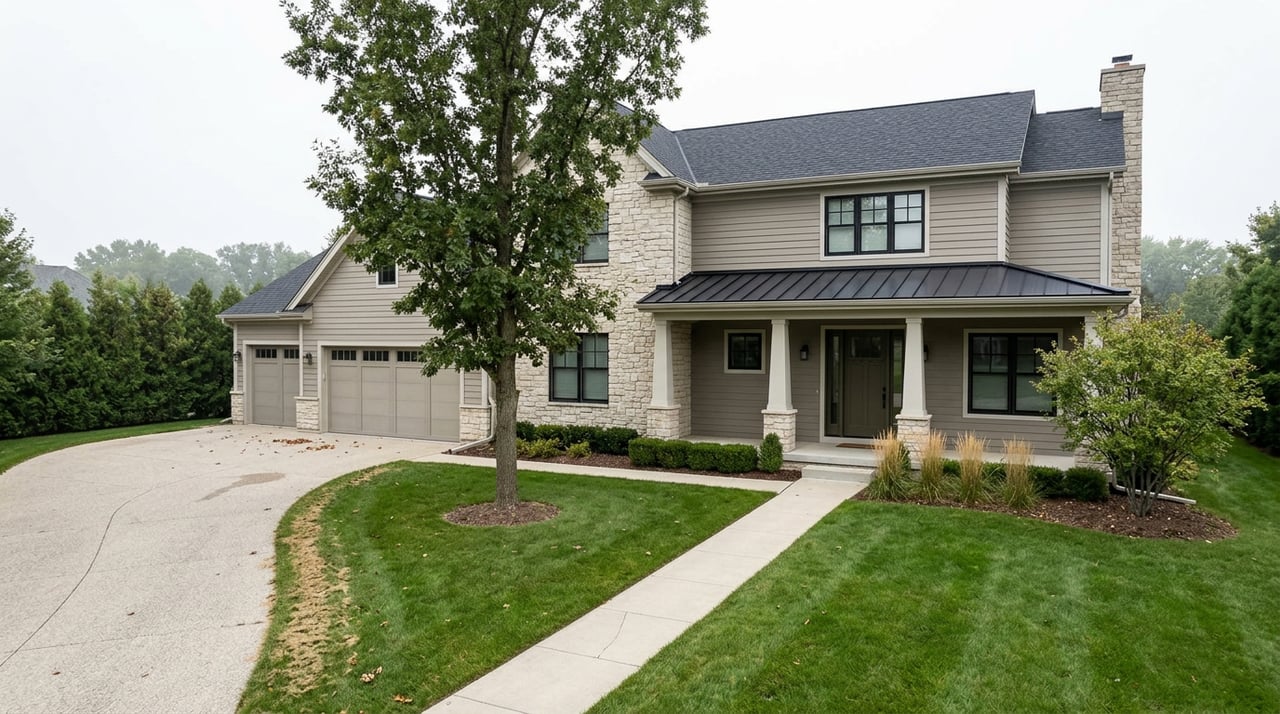
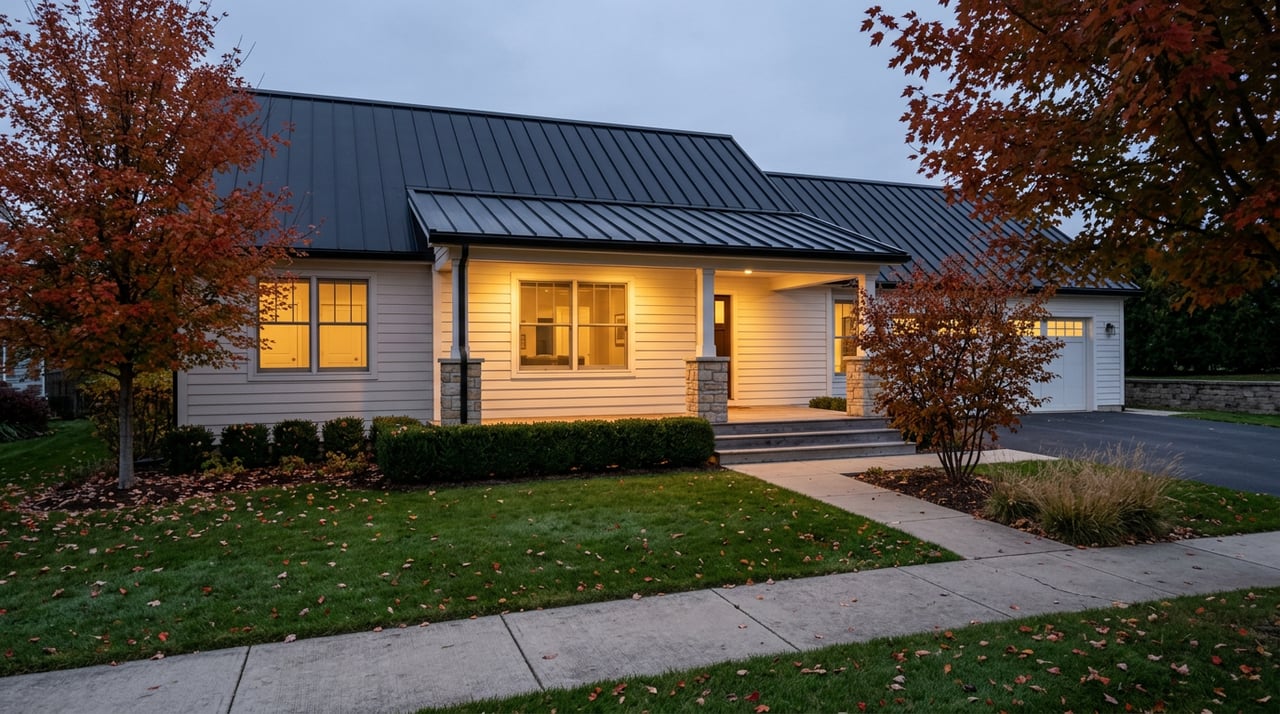
This is where thoughtful staging, design guidance, and strong photography can make a real difference. When your home is presented well from the start, you give your move-up plan a stronger foundation.
Some homeowners consider using a home equity loan or HELOC to bridge the gap into their next purchase. These tools can create flexibility, but they also come with risk.
A home equity loan is typically a lump-sum second mortgage, while a HELOC is a revolving line of credit secured by your home. Consumer guidance warns that if you fall behind, foreclosure is a possibility, so these choices deserve careful review with your lender and financial professionals.
For many move-up buyers, the smarter first step is simply understanding what is possible. You do not need to guess. You need a coordinated conversation about your current equity, monthly payment goals, and timeline.
When you move from one primary residence to another in Michigan, property taxes can get more complicated than many buyers expect. Two issues matter most during a move-up purchase: your principal residence status and the taxable value of the next home.
Michigan’s Principal Residence Exemption, or PRE, exempts a principal residence from local school operating millage, up to 18 mills, and it remains in place until another principal residence is established. The Michigan Department of Treasury also notes that if you sell one home and buy another in Michigan, property taxes must be prorated for homestead-property-tax-credit purposes based on the days each home was occupied and the taxes levied that year.
Another major point is taxable-value uncapping. Treasury explains that when ownership transfers, the property’s taxable value becomes uncapped in the calendar year following the transfer. That means the property tax bill on the home you buy may be very different from the seller’s current bill.
This surprises a lot of buyers. A home may look affordable based on today’s listing price and the seller’s tax bill, but your future taxes could land at a different number after the transfer.
Michigan also requires a Property Transfer Affidavit to be filed with the local assessing office within 45 days of the transfer. State guidance generally places that duty on the buyer, grantee, or transferee.
If that filing is missed, Treasury warns it can lead to delayed uncapping and additional taxes, penalties, and interest. It is a small form with big importance, which is why early paperwork coordination matters when you are balancing a sale and a purchase at the same time.
A move-up purchase has more moving pieces than a first home purchase or a simple sale on its own. You are balancing market timing, financing, tax questions, home prep, and two sets of deadlines.
Consumer guidance recommends building a network of advisors because buying and selling homes can be complicated and market conditions change quickly. In practical terms, that means you benefit from a coordinated team that can help you understand pricing, prep your home, connect with trusted lenders and inspectors, and keep the process moving clearly.
That kind of support can lower stress in a big way. When everyone is working from the same plan, you are far more likely to make calm decisions and protect your next move.
If you are moving up in Jenison, the goal is not just to sell high and buy fast. The real goal is to turn your current equity into your next home with a plan that fits your budget, timeline, and comfort level.
That usually starts with three things: a realistic value for your current home, a clear picture of your net proceeds, and a strategy for the next purchase before the market forces your hand. In a fast-moving area like Jenison, preparation is what gives you options.
If you want thoughtful guidance on timing your sale, preparing your home, and planning your next purchase in West Michigan, connect with Bialik Real Estate. Their service-first approach, local experience, and strong marketing support can help you move forward with more clarity and less stress.





Working with Bialik Real Estate means more than just buying or selling a home—it means experiencing a higher level of service.