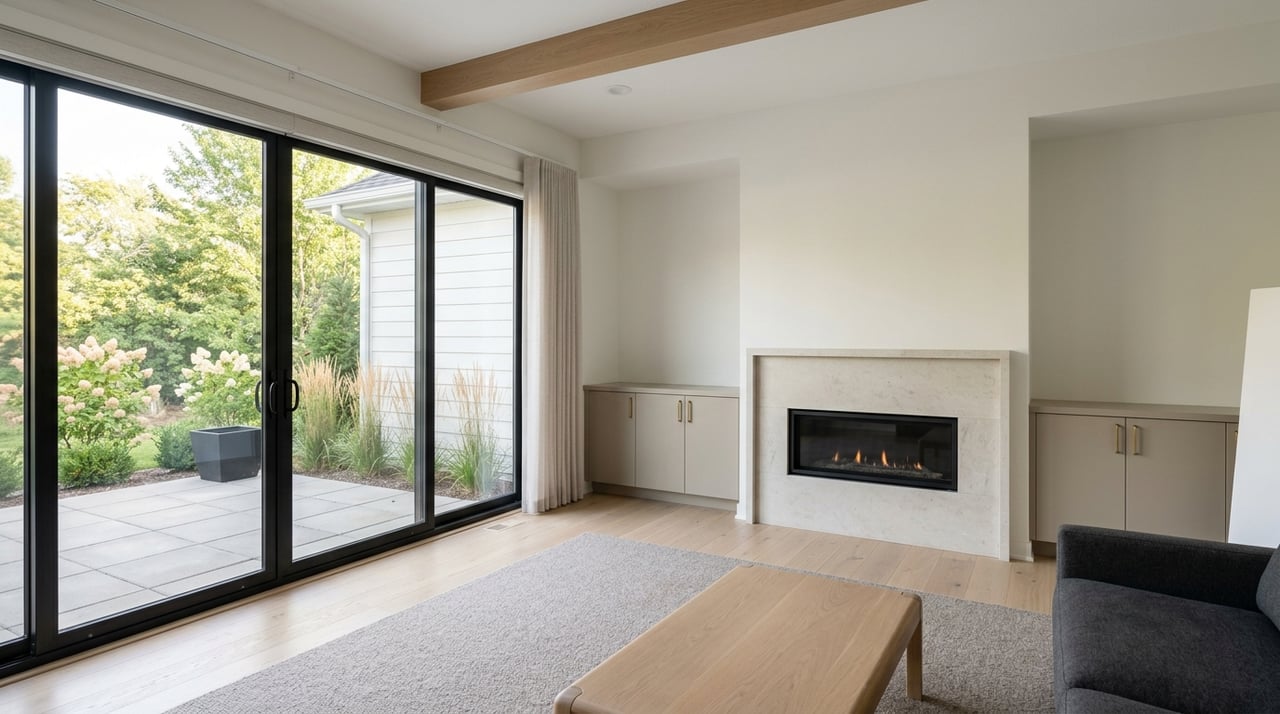
Downsizing In Grand Rapids Without Losing What You Love
Thinking about a smaller home can bring up a big fear: what if you give up the comfort, routines, and ease you enjoy now? If you are downsizing in Grand Rapids, you are not alone, and you do not have to treat the move like a loss. With the right plan, you can simplify your space while keeping the features that matter most to your daily life. Let’s dive in.
Downsizing is not just about moving into fewer square feet. For many homeowners, it is about keeping the parts of home that support everyday comfort, such as main-floor living, easy upkeep, room for guests, or a layout that feels manageable.
That matters even more in a market like Grand Rapids. Recent market data shows homes moving quickly, with Redfin reporting a median sale price of $294,848 for the three months ending April 2026, homes selling in about 9 days, and around 5 offers on average. Realtor.com also reported an April 2026 median listing price of $324,450 and a median sold price of $311,275.
Inventory has also been tight. A Grand Rapids city housing needs report using February 11, 2025 data found only 122 available for-sale homes in the city primary service area, with a very low 0.3% availability rate. That kind of supply can make well-located smaller homes, ranches, and condos especially competitive.
The best downsizing decisions usually start with this question: What do you want your next home to preserve? If you only focus on what you want to cut, the move can feel negative. If you focus on what you want to keep, the process becomes much more clear.
For many downsizers, that means protecting routines and comfort rather than chasing the smallest possible footprint. Guidance on livable housing highlights features like step-free access, a main level with a bedroom, kitchen, full bath, and laundry, plus wider doorways and hallways and a no-step shower.
Your list may look different, and that is okay. What matters is knowing your non-negotiables before you start touring homes.
Before you look at homes, take time to map out the full cost of the move. Buying and selling involve more than just sale price and mortgage payment. You may also be dealing with moving costs, commissions, taxes, fees, and other closing expenses.
A clear budget helps you avoid making decisions based only on list price. It also gives you a better sense of what you can comfortably spend while still protecting cash flow, savings, or future plans.
This step is especially helpful if you are selling a larger home and buying a smaller one at nearly the same time. A strong plan can help you compare whether a resale home, condo, or new-construction option best fits your next chapter.
One of the smartest ways to reduce stress is to start preparing your current home before you are ready to list. AARP guidance for older homeowners recommends decluttering and getting a home inspection before putting a house on the market.
Decluttering does two things at once. It helps buyers focus on the home’s layout and condition, and it helps you begin the sorting process before the move becomes urgent.
A pre-listing inspection can also help you spot issues early. That gives you more time to decide what to repair, what to disclose, and how to present your home confidently when it hits the market.
For homeowners who want a smoother launch, thoughtful presentation matters. In a competitive Grand Rapids market, strong staging and marketing can help buyers quickly see the home’s value and fit.
This is one of the biggest questions for downsizers, and the answer depends on your finances, risk tolerance, and available housing options. In general, consumer guidance says people who want to move normally try to sell their current home first before buying another one.
That approach can reduce the pressure of carrying two homes at once. It can also give you a clearer picture of your proceeds before you commit to the next purchase.
Still, timing is rarely one-size-fits-all. Contract tools such as home-sale, home-close, inspection, title, continue-to-show, kick-out, and rent-back clauses can help buyers and sellers manage overlapping timelines.
Because the terms matter, it is wise to review the details carefully. In some situations, an attorney may also be helpful for reviewing contract language and timing decisions.
Downsizing often comes with a lot of moving parts, especially if you are selling one property and buying another close together. In Kent County, deed changes and recording details deserve attention early, not at the last minute.
The Kent County Register of Deeds says that people changing deed ownership should consider contacting an attorney familiar with Michigan real property law or a local title company. The county fee schedule lists a $30 recording fee per document, a county transfer tax of $1.10 per thousand, and a state transfer tax of $7.50 per thousand.
If a transaction involves a warranty deed or land contract, a tax certification from the County Treasurer’s office is also required. These may sound like small details, but they can affect timing, closing preparation, and your overall moving plan.
Taxes are another area where downsizers can get surprised if they do not ask questions early. In Michigan, the Principal Residence Exemption can exempt a principal residence from up to 18 mills of local school operating tax when the owner files an affidavit with the local tax collecting unit.
It is important to know that the Principal Residence Exemption is separate from the Homestead Property Tax Credit. Michigan Treasury also says a transfer of ownership generally causes taxable value to uncap in the following year.
Buyers must file a Property Transfer Affidavit with the local assessor within 45 days of the transfer. If your move involves a trust, land contract, deed change, or a near-simultaneous sale and purchase, ask early how those steps may affect your paperwork and future tax bills.
A successful downsize does not mean squeezing your life into the smallest possible space. It means choosing a home that supports how you want to live now.
In Grand Rapids, many available homes have been older stock, and a housing needs report found available city homes averaging about 1,513 square feet, with much of the inventory built before 1970. That can create opportunity, but it also means you may need to look carefully at layout, accessibility, and condition instead of focusing only on square footage.
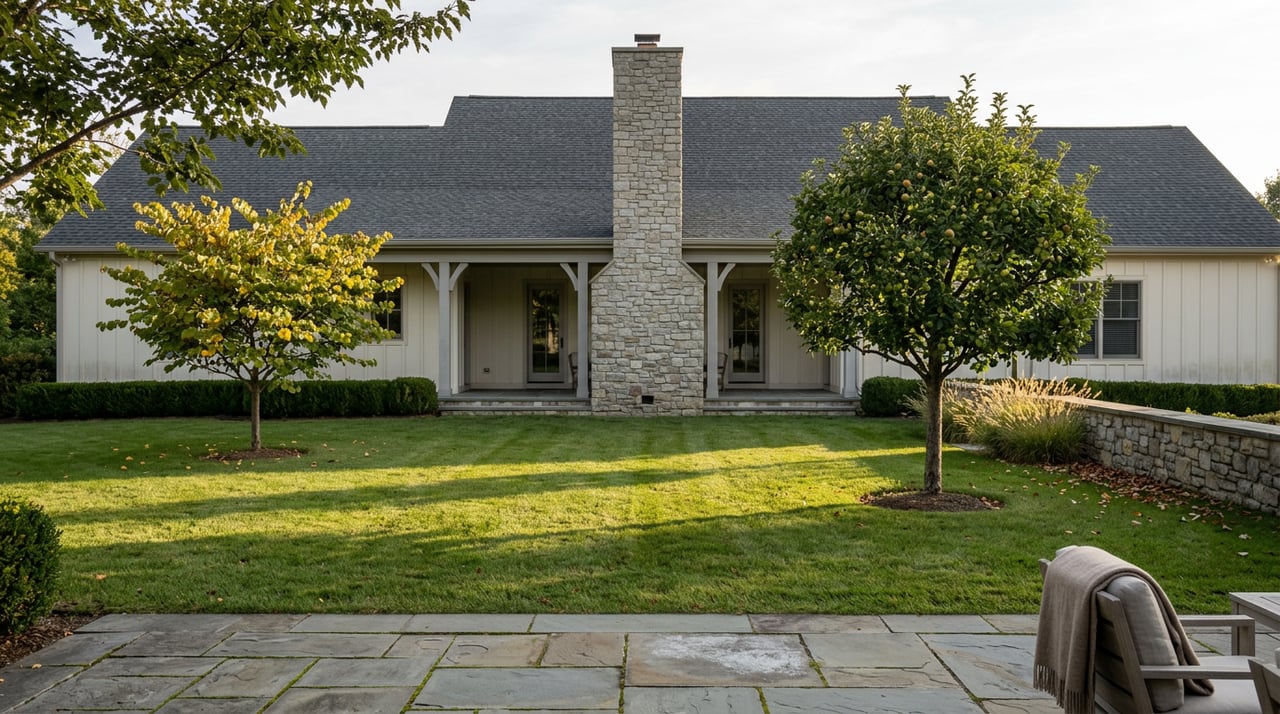
For some buyers, that points to a ranch layout or condo with easier day-to-day living. For others, it may mean resale with the right floor plan, or a new-construction path with more control over layout and finishes.
The key is to think beyond size. A better-fit home should make life simpler, not harder.
Downsizing in Grand Rapids can move quickly, but it should not feel rushed. When you define your must-haves, prepare your current home well, understand the local paperwork, and keep your focus on comfort, you give yourself room to make smart decisions.
That is often the difference between a move that feels emotional and overwhelming and one that feels steady and well planned. You are not just leaving a home behind. You are creating a next step that fits your life better.
If you are thinking about downsizing and want a clear plan for selling, buying, presentation, and timing, Bialik Real Estate can help you take the next step with confidence.
Working with Bialik Real Estate means more than just buying or selling a home—it means experiencing a higher level of service.