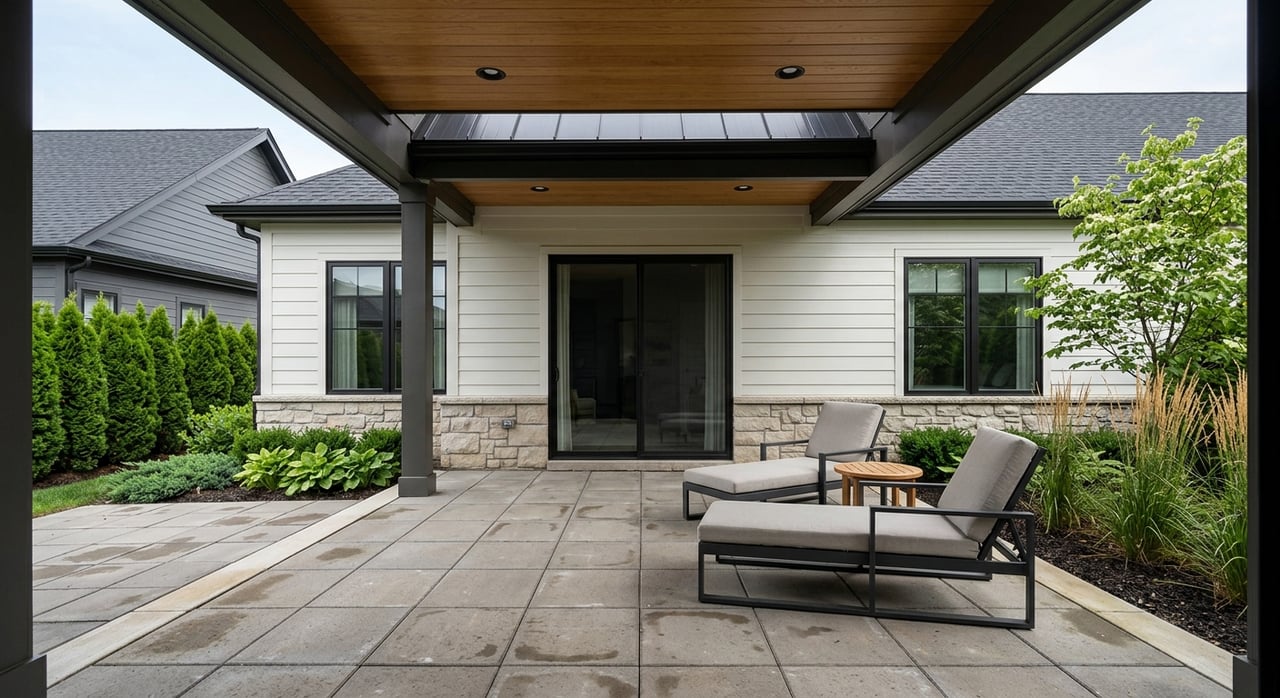
Grand Rapids Condos Versus Houses For First-Time Buyers
Buying your first home in Grand Rapids can feel like a simple either-or question: condo or house? In reality, the choice is usually more about how you want to live, what you want to maintain, and what costs you are prepared to carry. If you are trying to make a smart first move in a competitive market, this guide will help you compare both paths and focus on what matters most. Let’s dive in.
If you assume a condo will always cost less than a house, Grand Rapids may surprise you. Realtor.com labeled Grand Rapids a seller’s market in March 2026, with a median listing price of $324.5K and about 750 homes for sale. Redfin reported a March 2026 median sale price of $304K, while Zillow placed the average home value at $309,801 and the median sale price at $287K.
Condo pricing is not automatically lower. Redfin showed 105 condos for sale in Grand Rapids at a median listing price of $348K. That means many condos are listed in the same price range as, or above, many houses in the city.
For a first-time buyer, that is an important starting point. You may not be choosing between a cheaper condo and a more expensive house. You may be choosing between different ownership styles at similar price points.
A condo in Michigan comes with a different structure of ownership than a typical house. Under the Michigan Condominium Act, your rights and responsibilities are defined by the master deed, subdivision plan, and bylaws. Those documents matter because they shape daily life as much as the unit itself.
As a condo owner, you share common elements with other co-owners and usually pay monthly maintenance fees and assessments. The Michigan condo buyer handbook also notes that unpaid amounts can lead to liens. In other words, the monthly fee is not optional, and it should be part of your budget from day one.
Condo bylaws can also limit things like pets, renting, outdoor items, and changes to the unit. If you want flexibility, it is worth reading those rules closely before you fall in love with a property. A condo can be a great fit, but the rules are part of what you are buying.
Michigan also requires condo associations to maintain a reserve fund for major repairs and replacement. The state handbook says that reserve fund must equal at least 10% of the annual budget on a non-cumulative basis. That does not mean every association is equally strong financially, but it does mean reserves should be part of your review.
For you as a first-time buyer, this is a practical issue. A condo with healthy reserves and a clear budget may feel more predictable than one with limited savings and possible future assessments. Looking at the budget and reserve details can help you understand whether the monthly dues support long-term upkeep.
A house usually gives you more control. You may have more freedom with pets, remodeling, storage, parking, and outdoor use. For many first-time buyers, that flexibility is a big reason to lean toward a house.
That said, more control usually comes with more responsibility. When you own a house, you are typically the one responsible for repairs, maintenance, and many utility costs. Those expenses can add up quickly, especially if the home needs updates.
This matters in Grand Rapids because the city’s housing study says more than 75% of owner-occupied units were built before 1970. Older housing stock can offer character and established settings, but older homes are also more likely to need repairs or modernization. If you buy a house, you should budget for more than the mortgage alone.
Once price is on the table, the next question is usually about lifestyle. A condo often appeals to buyers who want less exterior maintenance, a smaller routine, or shared amenities. A house often appeals to buyers who want a yard, more privacy, extra storage, or more freedom to make changes.
Neither choice is better across the board. The right fit depends on how you want your week to look after closing. If mowing, exterior upkeep, and shared rules sound like a fair trade for less hands-on maintenance, a condo may suit you well.
If you want more space to spread out and fewer restrictions on how you use your property, a house may feel more natural. Just remember that extra freedom usually means extra responsibility too.
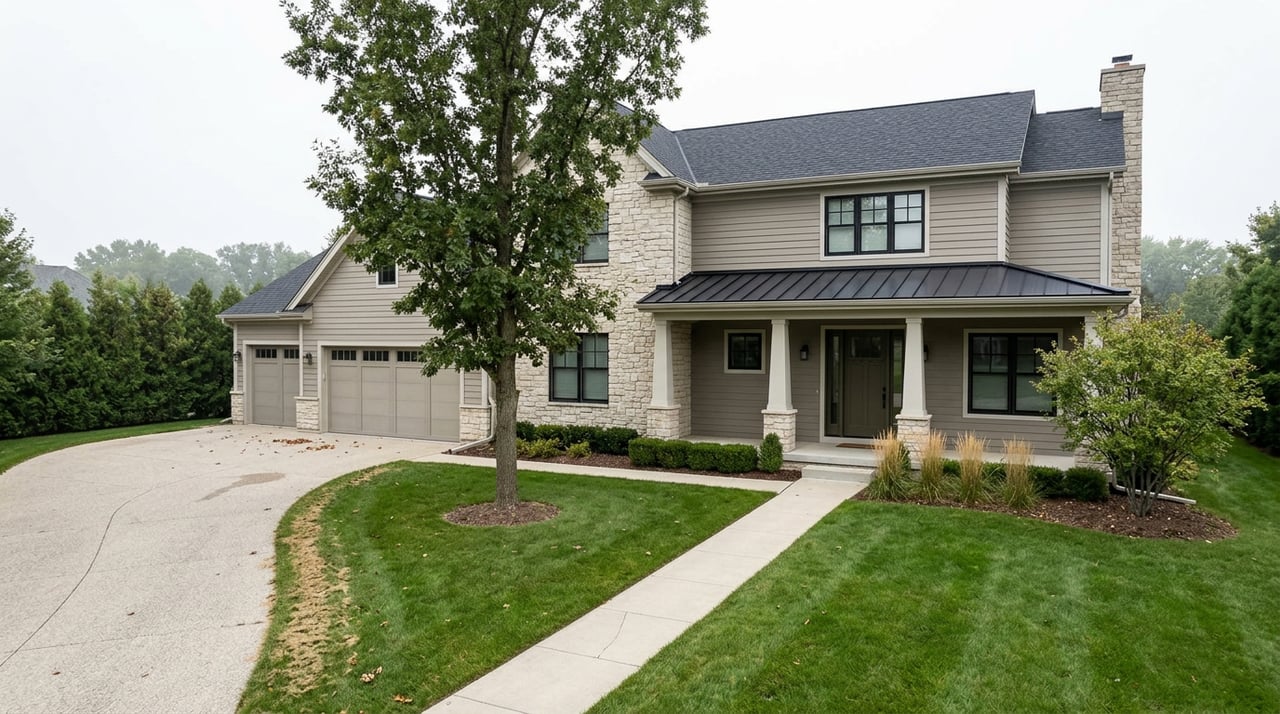
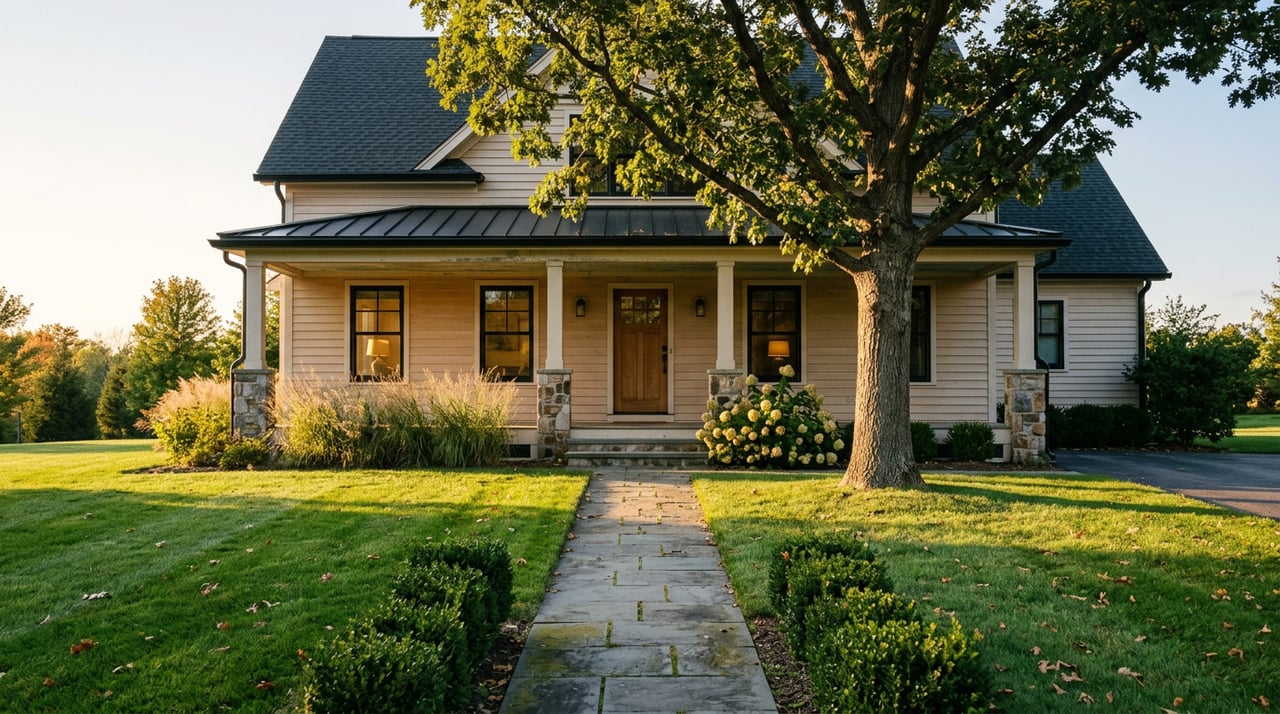
One detail many first-time buyers do not expect is the site condominium. In Michigan, a site condo can look like a detached house rather than a traditional attached condo. Even so, it is still governed by condo documents and association rules.
That can create confusion if you are shopping by appearance alone. A detached property may still have condo fees, bylaws, and shared obligations. If you are considering one, make sure you understand both the physical layout and the legal structure.
When you compare condos and houses, it helps to look beyond the sale price. The better question is what your total monthly and near-future costs may look like. A condo may come with dues and possible assessments, while a house may come with higher maintenance and repair exposure.
Here is a simple way to think about it:
For many first-time buyers, the most affordable option is not the one with the lower list price. It is the one with the more manageable total cost and fewer surprises for your budget.
If you are serious about buying in Grand Rapids, a little extra review up front can save you stress later. The right checklist depends on whether you are looking at a condo or a house.
Before you make an offer, review the condo documents carefully. The Michigan buyer handbook points buyers to the master deed, bylaws, and amendments because they govern fees, assessments, pets, rentals, outdoor restrictions, and approval requirements for certain changes.
Ask for financial details too. You should review the current budget, reserve fund information, and any recent or planned special assessments. This helps you see whether the association appears prepared for major repairs and replacement.
It also helps to confirm the condo type. If the property is a site condominium, your day-to-day experience may feel very different from an attached condo, even though both fall under condo law.
With a house, pay close attention to condition and deferred maintenance. In Grand Rapids, where much of the housing stock is older, modernization and repair needs can shape your first few years of ownership. Even a well-located home may come with aging systems or finishes that need attention.
You should also build maintenance, repair, and utility costs into your monthly thinking. A mortgage payment is only one part of homeownership. If your budget is already tight, a house that needs near-term work may create more pressure than expected.
If you are buying within Grand Rapids city limits, there may be local help available. The Homebuyer Assistance Fund offers up to $7,500 for down payment, closing costs, and prepaid expenses, subject to income, asset, occupancy, preapproval, and education requirements.
Statewide, MSHDA says it offers homeownership products and education, including MI 10K Down Payment Assistance of up to $10,000 through participating lenders. For first-time buyers, programs like these can make a real difference in how much cash you need to bring to closing.
Because eligibility rules apply, it helps to ask early in the process. If assistance is available to you, it may expand your options or strengthen your plan.
For most first-time buyers in Grand Rapids, the real tradeoff is not simply condo versus house. It is usually lower exterior upkeep and more rule-driven ownership versus more control and potentially more maintenance. In today’s market, the price advantage is not guaranteed on either side.
A condo may make sense if you want simpler exterior upkeep, shared maintenance responsibility, and a lifestyle that works well with association rules. A house may make sense if you want more freedom, more private outdoor space, and room to customize over time.
The best choice is the one that fits your budget, your comfort with upkeep, and the way you actually want to live. If you want help comparing specific Grand Rapids condos, houses, or site condos, Bialik Real Estate can help you sort through the details and move forward with clarity.
Working with Bialik Real Estate means more than just buying or selling a home—it means experiencing a higher level of service.