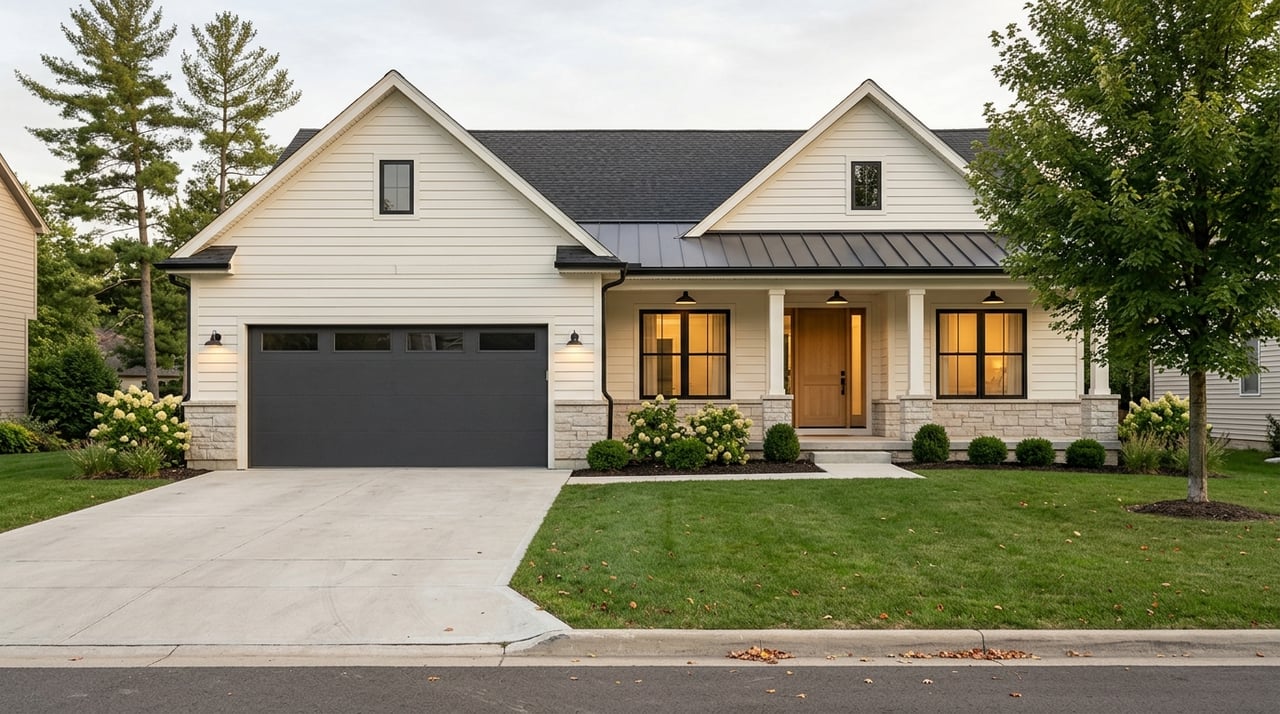
How Grand Rapids Home Styles Shape Daily Life
What does your home style really change once the boxes are unpacked? In Grand Rapids, quite a bit. The layout of a neighborhood, the age of a home, and even the shape of the lot can influence how you park, walk, host friends, handle winter, and manage upkeep. If you are trying to picture what daily life might actually feel like in Grand Rapids, understanding local home styles can help you make a smarter and more confident move. Let’s dive in.
Grand Rapids is not built around one single housing pattern. City planning materials describe three main residential geographies: Traditional Neighborhoods, Mid-20th Century Neighborhoods, and Modern Neighborhoods. That means your day-to-day experience can feel very different depending on where and what you buy.
The city is also a mixed ownership market. Census data show an owner-occupied housing unit rate of 54.6%, with a median value of owner-occupied homes at $225,500 and a median gross rent of $1,266. For you as a buyer, that mix helps explain why Grand Rapids includes both long-established residential areas and a meaningful amount of rental and multifamily housing.
Traditional neighborhoods in Grand Rapids were largely built before the automobile era. According to city planning materials, they tend to have connected street grids, smaller blocks, alleys, and a mix of homes, shops, and institutions within walking distance. That physical form can shape your routine in simple but important ways.
In a traditional neighborhood, you may find yourself walking more often for errands, coffee, or local events. Streets can feel more connected, and homes often sit closer to sidewalks and neighboring houses. For many buyers, that creates a more neighborhood-focused rhythm to daily life.
Heritage Hill is one of the clearest examples of Grand Rapids’ historic urban housing stock. The district includes about 1,300 structures and features a wide range of architectural styles, from Greek Revival and Italianate to Craftsman, Bungalow, Tudor Revival, and Modern Movement. It is also noted for its proximity to downtown, universities, entertainment, and medical districts.
That kind of setting can appeal to buyers who want character, a central location, and a home that feels distinct from the next one down the street. It can also mean older floor plans, more stairs in some homes, and more variation from property to property. If you enjoy charm and individuality, that tradeoff may feel worth it.
Other established Grand Rapids areas show how neighborhood form affects everyday living. Eastown describes itself as a walkable 70-square-block neighborhood, while Alger Heights highlights its walkable business district, historic homes, and tree-lined streets. Those features often support a more social, local, and on-foot routine than buyers may find in newer subdivision settings.
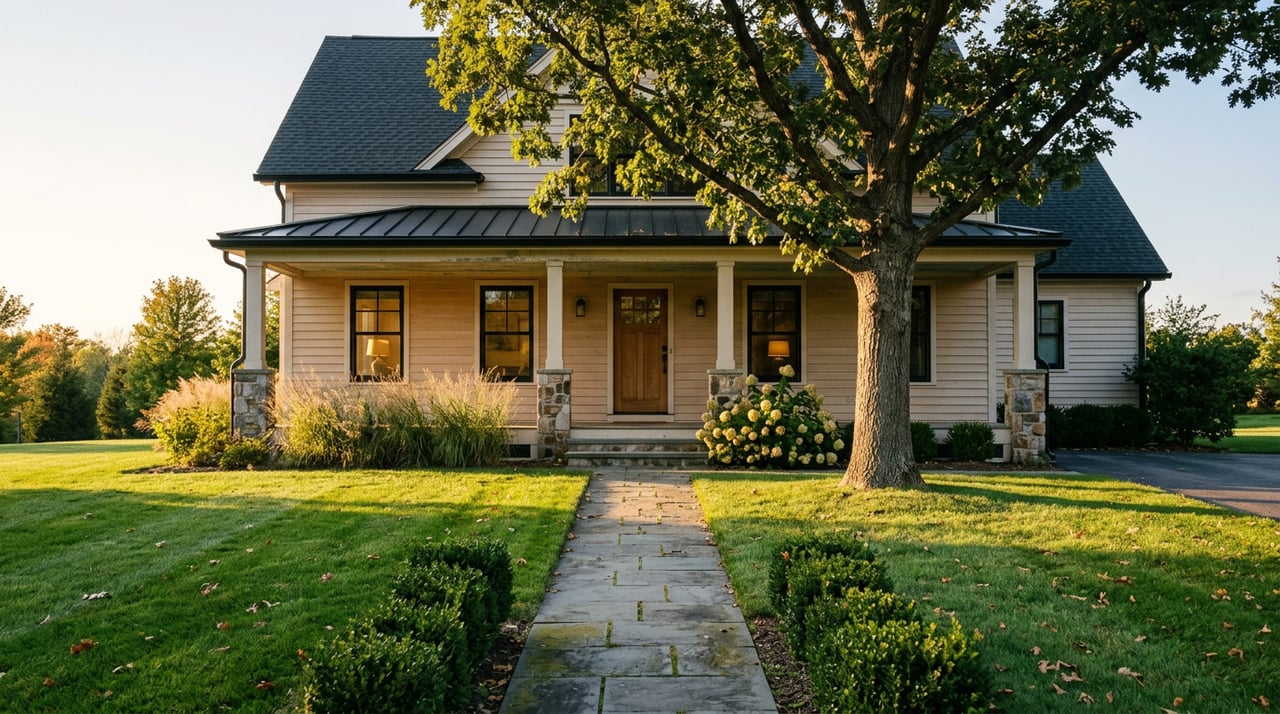
If you are drawn to front porches, mature trees, and a stronger connection between home and street, older neighborhoods may feel like a natural fit. You may also notice that homes are often closer together and lots may be smaller. For some buyers, that adds energy and convenience. For others, it may feel less private than newer options.
Owning in a historic district can be rewarding, but it can also come with added steps. Grand Rapids historic preservation guidelines say exterior work on a historic-district property generally requires a Certificate of Appropriateness or Historic District Work Permit unless the work is specifically exempt. That can affect projects like windows, siding, additions, and other visible exterior changes.
For you, that means a historic home may ask for more planning time before updates begin. The process is intended to help preserve district character, but it can still change the ownership experience. If you love older architecture, it is wise to weigh both the charm and the review process before you buy.
Grand Rapids planning documents describe Mid-20th Century Neighborhoods as post-World War II areas with larger lots, buildings set back farther from the street, and more separated land uses. That pattern usually creates a different daily flow than a traditional neighborhood. In many cases, it supports easier parking, more private outdoor space, and a more car-oriented routine.
For some buyers, that feels practical and comfortable. You may have more breathing room between homes, a bigger yard, and a layout that feels less compact. If your day often involves driving to work, activities, or shopping, this type of neighborhood may fit naturally with how you already live.
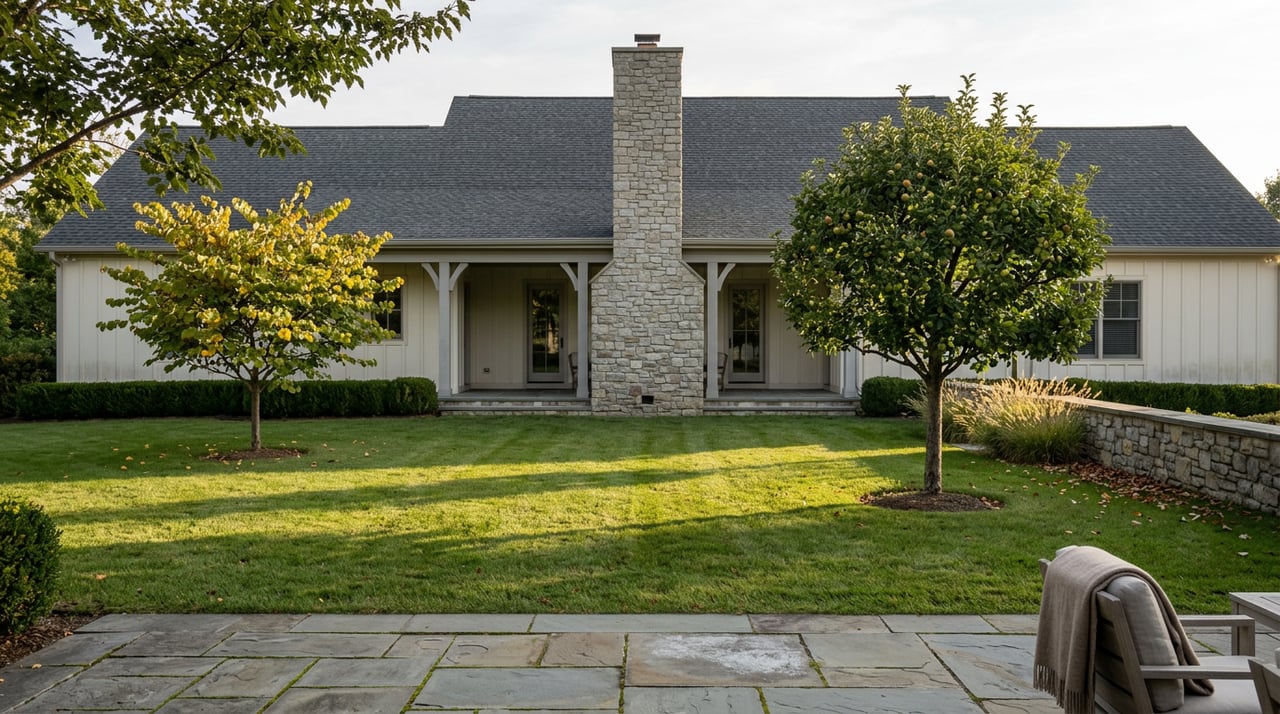
The city’s Heritage Hill study also notes that some 1940s- to 1960s-era buildings included Cape Cods or ranch-like structures with low-pitch roofs, wide overhanging eaves, and horizontal windows. Later homes reflected mid-century Colonial Revival and Modern Movement influences. These design features often support a more horizontal and easier-flowing layout than older stair-heavy homes.
That matters in everyday use. A ranch-style or more spread-out floor plan can feel easier to navigate, easier to furnish, and easier to maintain for some households. If you are looking ahead to convenience and flexibility, these homes may check important boxes.
Grand Rapids planning materials describe Modern Neighborhoods as newer subdivision housing with more uniform lot patterns and housing forms. In practical terms, that often means a more predictable streetscape and homes designed around current expectations for storage, parking, and interior flow. Your routine may feel simpler, especially if you value attached garages and more standardized layouts.
Newer housing can also appeal to buyers who want lower-friction living. A current city development example, Hidden Bluff on Ball Avenue, describes townhome-style condominiums with 2 to 3 bedrooms, main-floor living areas, upstairs bedrooms, and two-stall garages. While that does not represent every new home in Grand Rapids, it shows the kind of layout many buyers connect with newer infill and suburban-style living.
If you want a home that supports a busy schedule, newer designs may feel easier from day one. Open living spaces, attached garages, and less complicated floor plans can reduce friction in everyday life. That can be especially appealing if you are downsizing, buying your first home, or simply want a more streamlined setup.
This is also where condo and newer-construction options may stand out. If your goal is practical function over historic detail, a newer home style may give you the simplicity you are after. The best fit depends on what you want your mornings, evenings, and weekends to look like.
In Grand Rapids, climate is part of the housing conversation. National Weather Service climate normals show about 77.6 inches of annual snowfall, average January temperatures around 31.0°F for the high and 18.6°F for the low, and about 39.40 inches of annual precipitation. That means winter readiness is not optional.
No matter what style of home you choose, snow removal, ice management, roof and gutter attention, and dependable heating all matter. But the age and design of the home can change how much work that feels like. Some homes are simply better set up for West Michigan weather than others.
Grand Rapids’ Climate Action & Adaptation Plan notes that many older homes either lack air conditioning or do not cool well with fans or window units. The plan also flags heavy rainfall, flooding, and basement flooding as climate-related risks. Inadequate insulation can also increase energy burden.
For you, this means older homes may offer character and strong location advantages, but they can also require closer attention to cooling, insulation, drainage, and basement moisture. None of that makes them a poor choice. It just means the daily and seasonal maintenance picture can differ from a newer home.
The same city plan says neighborhoods with denser tree canopy are cooler and that trees help reduce stormwater runoff and flooding. That helps explain why many buyers are drawn to older tree-lined streets in Grand Rapids. The appeal is not only visual.
A mature canopy can shape summer comfort and the general feel of your block. It can also influence how outdoor spaces are used during warmer months. When you picture your life in a home, details like shade, runoff, and seasonal comfort are worth paying attention to.
A good home search is not only about square footage or price. It is also about choosing a setting that supports your actual routine. In Grand Rapids, home style can be a helpful shortcut for identifying what kind of daily life may fit you best.
If you want historic character, a front-porch feel, and a more walkable routine, one of the city’s older traditional neighborhoods may be the strongest match. If you prefer a larger lot, easier parking, and a more open postwar or newer subdivision pattern, a mid-century or modern neighborhood may fit better. If your priority is lower-maintenance living with a newer floor plan and attached garage, newer infill or townhome-style options may be the most practical place to start.
As you tour homes in Grand Rapids, try to look past finishes for a moment and focus on how the property will shape your week. Notice how far the house sits from the street, where you would park, how many stairs you would use each day, and how the lot affects privacy and upkeep. These details often matter just as much as countertops or paint colors.
It also helps to think seasonally. Ask yourself how the home might handle snow, rain, summer heat, and storage for winter gear. A home that looks right on paper can feel very different once you picture real life inside it.
The right guidance can make that process much easier. A local team that understands Grand Rapids housing patterns can help you compare charm, convenience, maintenance, and long-term fit so you can move forward with more clarity. If you are starting your search in West Michigan, Bialik Real Estate can help you narrow down the home style and neighborhood feel that best match your next chapter.
Working with Bialik Real Estate means more than just buying or selling a home—it means experiencing a higher level of service.